
The Evolution of Texture: Why Fabric Choice Defines Longevity
In the modern world of rapid consumption, the true value of a garment often lies hidden within its fibers. Understanding the characteristics of different materials is the first step toward building a collection that stands the test of time, both in terms of durability and aesthetic relevance.
Natural vs. Synthetic Landscapes
The debate between natural fibers and synthetic blends is central to the history of making. Natural materials, such as those derived from plants or animal proteins, offer a level of breathability that synthetics often struggle to replicate. A heavy weave of wool, for instance, is a marvel of natural engineering, providing warmth while allowing the skin to regulate its own temperature. On the other hand, modern technological fibers have introduced a level of resilience and elasticity that allows for greater movement and ease of care.
The Importance of Weight and Drape
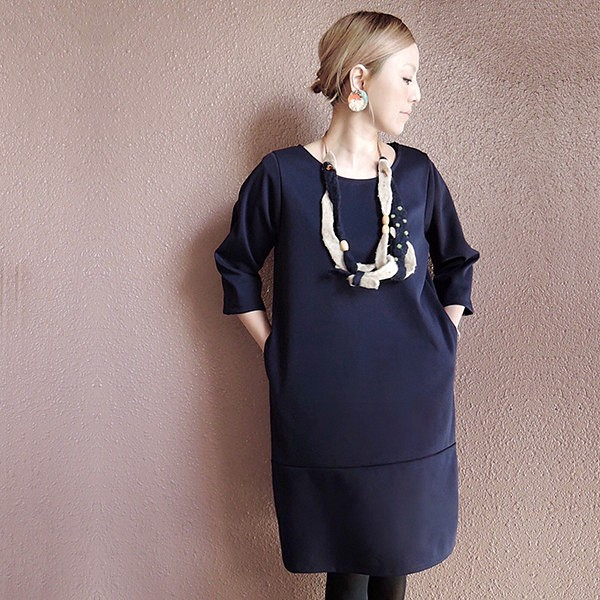
The way a piece of fabric falls against the body—its “drape”—is what separates a mediocre garment from a masterpiece. A high-quality linen has a distinct, architectural crispness that softens over years of use, developing a unique character that tells the story of its wearer. Conversely, silk offers a fluidity that responds to every movement, creating a sense of dynamic elegance. When selecting new additions to a collection, observing how the material reacts to gravity and motion is just as important as the color or pattern.
Sustainability Through Quality
The most sustainable approach to personal style is not simply buying less, but buying better. When we prioritize the integrity of the weave and the strength of the fiber, we reduce the need for constant replacement. A well-constructed garment made from superior raw materials becomes an heirloom rather than a disposable commodity. By shifting our focus from the “look” to the “make,” we contribute to a more thoughtful and enduring culture of consumption.